top of page

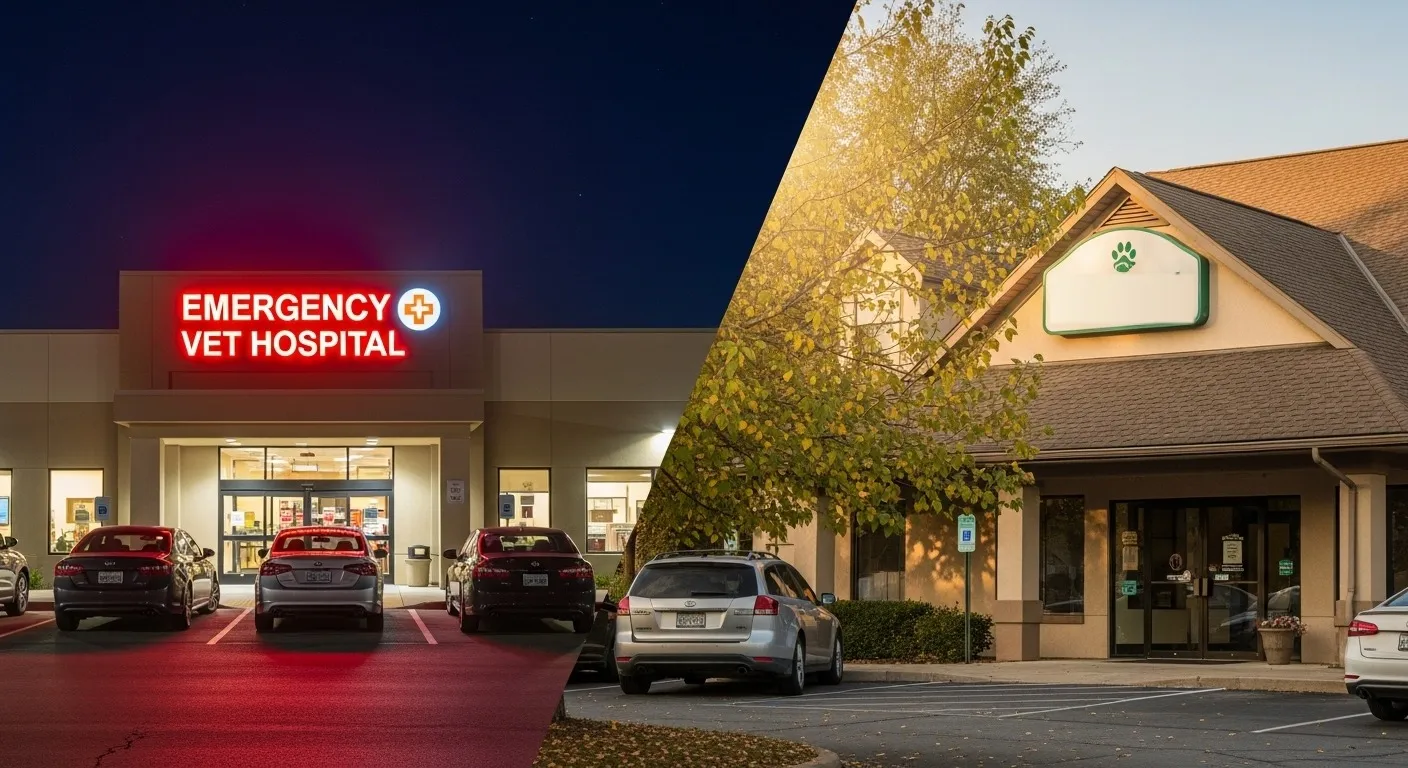
Emergency vs. General Practice Sales: What Buyers Pay For Each

  • Writer: Right Fit Capital
    Right Fit Capital
  • Sep 8
  • 8 min read

Updated: Nov 1

The veterinary practice acquisition market has evolved into distinct segments, each with unique valuation drivers and buyer preferences. Among the most striking differences are the premiums paid for emergency veterinary practices compared to general practices. Understanding these differences is crucial for practice owners evaluating their options and buyers assessing opportunities.


The gap between emergency and general practice valuations has widened significantly over the past three years, with emergency practices now commanding 18-22x EBITDA multiples while general practices typically achieve 12-15x multiples. This premium isn't arbitrary—it reflects fundamental operational and financial differences that buyers recognize and reward.


Revenue Model Differences Drive Valuation Premiums


Emergency Practice Revenue Advantages

Emergency veterinary practices operate on fundamentally different revenue models that create inherent value advantages. The average emergency visit generates $400-800 in revenue compared to $150-250 for routine general practice appointments. This revenue density creates higher gross margins and more efficient facility utilization.


Emergency practices also benefit from consistent demand regardless of economic conditions. Pet emergencies don't decrease during recessions, making these practices more recession-resistant than general practices that might see deferrals in routine care during economic downturns.


The 24/7 operational model allows emergency practices to capture revenue during hours when general practices are closed, effectively extending their market reach and eliminating direct competition during evening and weekend hours.


General Practice Revenue Characteristics

General practice revenue relies heavily on preventive care, routine procedures, and established client relationships. While this creates predictable cash flow, it also limits per-visit revenue potential and makes practices more susceptible to client price sensitivity.


However, general practices benefit from recurring revenue streams through wellness programs, vaccination schedules, and ongoing client relationships. This predictability appeals to buyers seeking stable, long-term cash flows rather than the higher variability inherent in emergency care.


The relationship-based nature of general practice creates client loyalty that can survive ownership transitions more easily than emergency practices, where clients typically don't develop strong practitioner relationships due to the urgent nature of visits.


Operational Complexity and Investment Requirements


Emergency Practice Operational Demands

Emergency practices require significant infrastructure investments that general practices typically don't need. Specialized equipment for critical care, surgical suites designed for emergency procedures, and diagnostic capabilities for rapid assessment all require substantial capital commitments.


Staffing represents another major operational difference. Emergency practices need 24/7 veterinary coverage, often requiring multiple veterinarians, specialized technicians, and support staff across all shifts. This creates higher labor costs but also higher revenue generation potential.


The operational complexity extends to inventory management, with emergency practices requiring extensive pharmaceutical inventories, surgical supplies, and specialized equipment maintenance. While this increases working capital requirements, it also creates barriers to entry that protect market position.


General Practice Operational Benefits

General practices operate with more predictable staffing needs and standard equipment requirements. Normal business hours reduce labor costs and allow for more efficient staff utilization during peak appointment periods.


Equipment investments in general practices focus on routine diagnostic tools, basic surgical capabilities, and standard examination equipment. While still significant, these investments are typically lower than emergency practice requirements and have longer useful lives due to less intensive usage.


General practices also benefit from more predictable workflow patterns, allowing for better scheduling efficiency and resource optimization. This operational simplicity appeals to buyers seeking manageable practice operations without the complexity of 24/7 services.


Emergency vs. General Practice Sales


Market Demand and Competition Dynamics


Emergency Practice Market Position

The shortage of emergency veterinary services in most markets creates favorable competitive dynamics for existing emergency practices. Limited competition allows for premium pricing and market share protection that general practices rarely achieve.


Emergency practices often serve large geographic areas, with clients willing to travel 30-45 minutes for emergency care. This extended service radius creates larger addressable markets and reduces direct competition from other emergency facilities.


The barrier to entry for emergency practices is substantially higher than general practices, requiring significant capital investment, specialized staff recruitment, and complex operational systems. These barriers protect existing practices from new competition and create sustainable competitive advantages.


General Practice Competitive Environment

General practices face more direct competition, with clients typically choosing practices within 10-15 minutes of their location. This geographic limitation creates more competitive pricing pressure and makes market differentiation more challenging.


The lower barriers to entry for general practices mean new competition can emerge more easily, potentially impacting existing practice market share and pricing power. However, established practices benefit from client relationships and referral networks that provide some competitive protection.


General practices can differentiate through service quality, convenience, and specialized services, but these advantages are often easier for competitors to replicate than the comprehensive capabilities required for emergency care.


Buyer Profile Differences and Investment Strategies


Emergency Practice Buyers

Emergency practices attract sophisticated buyers with significant capital resources and healthcare industry experience. Corporate groups and private equity firms particularly value emergency practices for their scalability and defensive market positions.


These buyers often have strategic plans for emergency practice networks, viewing individual acquisitions as platform investments for regional expansion. This strategic value creates bidding competition that drives premium valuations.


The operational complexity of emergency practices requires buyers with healthcare management experience or resources to hire experienced management teams. This buyer profile tends to be less price-sensitive and more focused on strategic fit and growth potential.


General Practice Buyers

General practices appeal to a broader buyer pool, including individual veterinarians, small practice groups, and corporate acquirers seeking platform practices for expansion. This broader buyer interest can create competitive bidding, but the buyer pool includes more price-sensitive participants.


Individual veterinarian buyers often focus on practices they can operate personally, preferring established client relationships and predictable operations. These buyers typically evaluate practices based on lifestyle considerations as well as financial returns.


Corporate buyers of general practices often seek practices that fit existing operational models and can benefit from shared services, marketing, and management systems. Integration ease becomes a significant evaluation criterion for these buyers.


Financial Performance Metrics and Benchmarks


Emergency Practice Financial Characteristics

Emergency practices typically achieve higher EBITDA margins (20-30%) compared to general practices (15-22%) due to higher per-visit revenue and efficient facility utilization. These margins support higher valuation multiples and justify the operational complexity.


Revenue per square foot in emergency practices often exceeds general practices by 200-300%, reflecting the intensive use of facility space for high-value procedures and diagnostics.


Working capital requirements are higher in emergency practices due to inventory needs and accounts receivable from complex procedures, but cash conversion cycles are typically shorter due to immediate payment requirements for emergency care.


General Practice Financial Benchmarks

General practices benefit from more predictable revenue patterns and lower working capital volatility. Monthly revenue variance is typically lower than emergency practices, providing cash flow stability that appeals to certain buyer types.


Client lifetime value in general practices often exceeds emergency practices due to ongoing relationships and preventive care programs. This recurring revenue creates predictable cash flows that support consistent valuations.


Operating leverage in general practices comes from efficient appointment scheduling and staff utilization rather than the high-margin procedures that drive emergency practice profitability.


Geographic and Market Size Considerations


Market Size Impact on Valuations

Emergency practices in metropolitan areas with populations exceeding 200,000 typically achieve the highest valuations due to market size and growth potential. These markets can support multiple emergency facilities and allow for premium pricing.


Rural emergency practices serving large geographic areas but smaller populations can achieve premium valuations when they maintain market dominance and serve agricultural or recreational markets with specialized needs.


General practices in high-income suburban markets often achieve valuations comparable to emergency practices due to client demographics, spending patterns, and market growth potential.


Geographic Arbitrage Opportunities

Emergency practice valuations vary significantly by region, with markets like Texas, Florida, and California commanding premiums due to population growth and pet ownership trends. Similar variations exist for general practices, but the range is typically narrower.


Rural general practices in underserved markets sometimes achieve premium valuations due to market protection and community integration, while rural emergency practices face challenges due to limited population density and longer transport distances.


Technology and Innovation Factors

Emergency Practice Technology Requirements

Emergency practices require sophisticated diagnostic equipment, patient monitoring systems, and information management capabilities that represent significant capital investments but also create competitive differentiation.


Telemedicine integration in emergency practices focuses on triage and consultation capabilities that can extend service reach and improve operational efficiency. These technology investments appeal to forward-thinking buyers and support premium valuations.


General Practice Technology Benefits

General practices benefit from technology investments in client communication, appointment scheduling, and routine diagnostic equipment that improve operational efficiency and client satisfaction.


Practice management software integration and client portal capabilities in general practices create operational efficiencies and client retention benefits that buyers recognize and value in their acquisition analysis.


Strategic Considerations for Practice Owners

Positioning for Premium Valuations

Emergency practice owners should focus on operational excellence, market position documentation, and growth potential demonstration to achieve maximum valuations. Financial performance consistency and operational scalability are key buyer evaluation criteria.


General practice owners can optimize valuations by emphasizing client relationships, recurring revenue streams, operational efficiency, and community market position. Service differentiation and growth opportunities also influence buyer interest and pricing.


Timing and Market Conditions

Current market conditions favor both practice types, but emergency practices benefit from stronger buyer demand and limited supply. General practices face more competitive seller markets but still achieve favorable valuations due to buyer demand across multiple buyer types.


The acquisition timeline for emergency practices often extends longer due to operational complexity and due diligence requirements, while general practices typically close more quickly due to operational familiarity and standardized evaluation processes.


Future Market Trends and Implications

Industry Evolution Patterns

Consolidation continues in both segments, but emergency practices are consolidating faster due to capital requirements and operational complexity. This consolidation trend supports continued premium valuations for quality emergency practices.


General practices are experiencing consolidation pressure but maintain opportunities for independent operation and specialized positioning. Market fragmentation continues providing acquisition opportunities for various buyer types.


Technology and Service Innovation

Emergency practices are investing in advanced diagnostic capabilities, telemedicine integration, and specialized treatment capabilities that create competitive advantages and support premium valuations.


General practices are focusing on client experience improvements, preventive care programs, and operational efficiency technologies that enhance profitability and client retention.


Conclusion: Understanding the Premium Structure


The 30-50% valuation premium for emergency practices over general practices reflects genuine operational and financial advantages rather than market speculation. Emergency practices offer higher revenue density, market protection, growth potential, and operational leverage that justify premium multiples.


However, general practices provide stability, predictability, and operational simplicity that appeal to different buyer types and investment strategies. Both practice types can achieve excellent valuations when properly positioned and prepared for sale.


Practice owners in both segments should focus on their unique value propositions while understanding buyer preferences and market dynamics. Emergency practice owners should emphasize growth potential and market position, while general practice owners should highlight stability and operational efficiency.


The key to maximizing valuation in either segment is understanding what buyers value most and positioning the practice accordingly. Professional guidance helps identify optimization opportunities and buyer matching strategies that achieve optimal outcomes regardless of practice type.


The veterinary practice acquisition market continues evolving, but the fundamental differences between emergency and general practice valuations reflect underlying business characteristics that are likely to persist. Understanding these differences helps practice owners make informed decisions about their positioning, timing, and transition strategies.


Right Fit Capital specializes in connecting veterinary practice owners with qualified buyers at zero cost to sellers. Our team understands the unique characteristics of both emergency and general practices, helping owners optimize their positioning for maximum value realization. To learn more about your practice's market position and valuation potential, schedule a confidential consultation at https://cal.com/right-fit-capital


About Us

Right Fit Capital connects medical practice owners with interested and motivated buyers.  Considering selling your business or planning your exit strategy?  We'll introduce you to the right people to take the next step, all at no cost to you as the owner.  

Quick Links

Contact Us

INQUIRIES

OUR LOCATION

1178 Broadway 3rd floor,

New York, NY 10001

Social

  • Instagram
  • Facebook
  • LinkedIn
Right Fit Capital

© 2025 by Right Fit Capital

bottom of page